





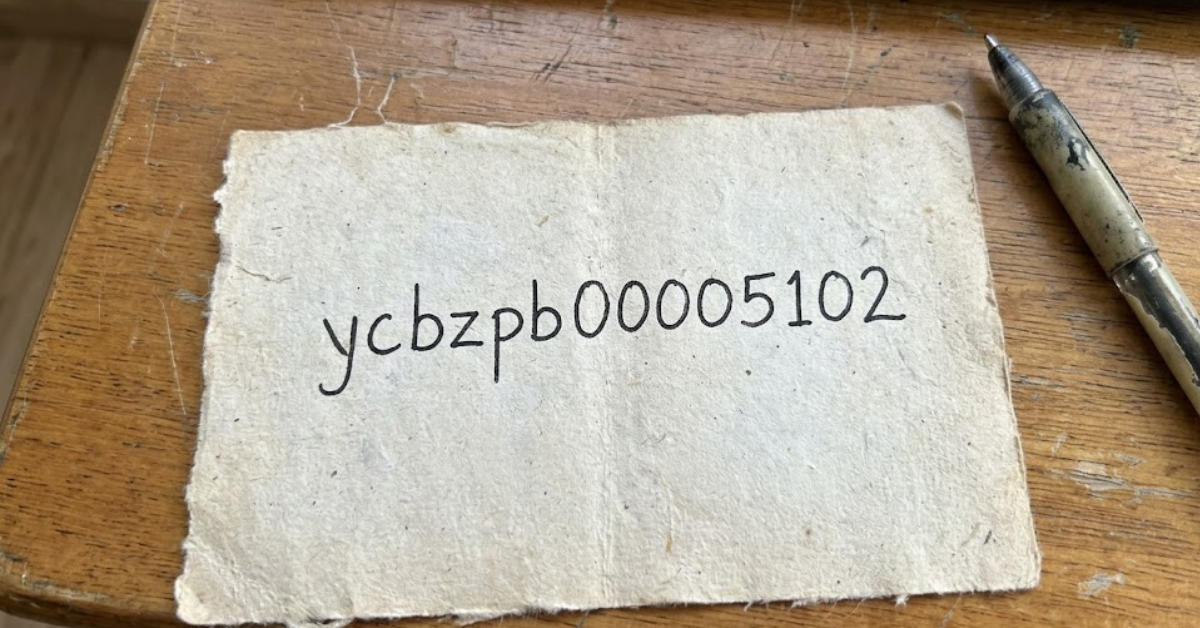

Ever stumbled across a code like ycbzpb00005102 and wondered what on earth it means? You’re not alone. These kinds of alphanumeric strings pop up in tracking systems, databases, and software environments all the time—but rarely come with clear explanations.
In this guide, we’ll break down ycbzpb00005102, explore what it could represent, where you might encounter it, and how to make sense of it in practical situations.
What Is ycbzpb00005102?
At its core, ycbzpb00005102 is an alphanumeric identifier. These identifiers are commonly used in digital systems to uniquely label:
- Orders
- Packages
- Database entries
- Software processes
- User sessions
Unlike simple numbers, a code like ycbzpb00005102 combines letters and digits to create a unique reference that avoids duplication.
Breaking Down the Structure of ycbzpb00005102
While the exact meaning depends on the system, codes like ycbzpb00005102 often follow a pattern:
- Prefix (ycbzpb): May represent a system, company, or category
- Numeric sequence (00005102): Typically a unique ID or incremental number
Why This Structure Matters
This format allows systems to:
- Organize data efficiently
- Track items precisely
- Avoid confusion between similar entries
Common Uses of ycbzpb00005102
1. Tracking and Logistics
You might see ycbzpb00005102 as a tracking number for shipments or orders.
Used for:
- Monitoring delivery status
- Identifying packages
- Customer service queries
2. Database Management
In databases, ycbzpb00005102 could be a unique key assigned to a record.
Examples:
- Customer IDs
- Transaction records
- Inventory items
3. Software and System Processes
Developers often use codes like ycbzpb00005102 to track internal processes.
This includes:
- Error logging
- Session IDs
- Debugging references
4. Security and Authentication
Some systems generate IDs like ycbzpb00005102 for:
- Secure login sessions
- Token-based authentication
- Temporary access keys
How to Identify What ycbzpb00005102 Refers To
Because ycbzpb00005102 isn’t universal, context is everything.
Here’s how to figure it out:
- Check where you found it
- Email? Likely a tracking or order ID
- Software? Possibly an error or session ID
- Look for surrounding information
- Dates, product names, or system messages
- Search within the platform
- Enter the code in search bars or dashboards
- Contact support if needed
- Provide the full code for accurate help
Common Issues Related to ycbzpb00005102
Sometimes, codes like ycbzpb00005102 appear during problems.
Typical issues include:
- Invalid or unrecognized ID
- Missing records
- Expired session tokens
- Incorrect tracking results
How to Fix Problems Involving ycbzpb00005102
If you encounter an issue, try these steps:
Quick Fix Checklist:
- Double-check for typos
- Refresh or reload the page
- Log out and back in
- Clear browser cache
- Verify the source of the code
If the Problem Persists:
- Contact customer support
- Provide screenshots or context
- Ask for verification of the code
Best Practices for Handling Codes Like ycbzpb00005102
To avoid confusion or errors:
- Always copy and paste the code instead of typing it manually
- Store important IDs securely
- Avoid sharing sensitive codes publicly
- Keep a record of where you received it
FAQs
What is ycbzpb00005102 used for?
It’s typically a unique identifier used in systems like tracking, databases, or software processes.
Is ycbzpb00005102 a tracking number?
It can be, depending on where you found it—especially in shipping or order confirmations.
Why does ycbzpb00005102 not work?
Possible reasons include typos, expired sessions, or system errors.
Can I generate a code like ycbzpb00005102?
Yes, developers often create similar IDs using algorithms for unique identification.
Is ycbzpb00005102 secure?
It can be part of secure systems, but you should still avoid sharing it unnecessarily.
Conclusion
While ycbzpb00005102 might look like a random string, it plays an important role in organizing and tracking data across systems. From logistics to software development, these identifiers keep things running smoothly behind the scenes.
The key takeaway? Context is everything. Once you understand where the code comes from and how it’s used, interpreting it becomes much easier.
If you frequently deal with similar codes, consider learning more about system identifiers and data tracking—it’s a small step that can make a big difference in your digital confidence.