







Type 2 diabetes is a chronic metabolic condition that affects millions of people worldwide. Although elevated blood sugar is the most recognizable feature of the disease, the underlying problem often begins years earlier with insulin resistance. When the body’s cells become less responsive to insulin, glucose remains in the bloodstream instead of being used efficiently for energy.
Modern diabetes treatment focuses not only on lowering blood sugar but also on improving how the body responds to insulin. Among the medications designed for this purpose is lobeglitazone, a newer member of the thiazolidinedione (TZD) class that helps improve insulin sensitivity and supports long-term glucose control.
Understanding Type 2 Diabetes
Type 2 diabetes develops gradually and is influenced by a combination of genetics, lifestyle, and metabolic changes.
Common symptoms include:
- Increased thirst
- Frequent urination
- Fatigue
- Blurred vision
- Slow wound healing
- Increased hunger
- Recurrent infections
Many people live with insulin resistance for years before diabetes is formally diagnosed.
What Is Insulin Resistance?
Insulin is a hormone that allows glucose to move from the bloodstream into the body’s cells.
When insulin resistance develops:
- Cells respond poorly to insulin.
- The pancreas produces more insulin to compensate.
- Blood sugar gradually rises.
- Over time, the pancreas may no longer keep up with demand.
Improving insulin sensitivity is one of the primary goals of long-term diabetes management.
What Is Lobeglitazone?
Lobeglitazone is an oral antidiabetic medication belonging to the thiazolidinedione (TZD) class.
It works by activating receptors that improve the body’s response to insulin. As insulin sensitivity increases, glucose can move more effectively into muscle and fat cells, helping reduce blood sugar levels without directly stimulating insulin production.
Healthcare professionals may prescribe lobeglitazone as part of an individualized treatment plan for adults with type 2 diabetes.
How Lobeglitazone Works
Rather than increasing insulin secretion, lobeglitazone improves the way existing insulin functions.
Its effects may include:
- Improved insulin sensitivity
- Better glucose uptake by muscle tissue
- Reduced insulin resistance
- Improved long-term blood sugar control
- Lower HbA1c levels in many patients
Because it works by improving metabolism, its full benefits develop gradually over several weeks of regular treatment.
Who May Benefit?
Healthcare professionals may consider lobeglitazone for adults with type 2 diabetes who require additional glucose control despite healthy lifestyle changes.
It may be prescribed:
- As a single medication in selected patients
- Together with metformin
- In combination with other oral diabetes medications
- As part of an individualized diabetes management plan
Treatment decisions should always be based on a patient’s medical history and overall health.
Supporting Better Diabetes Control
Medication works best when combined with healthy daily habits.
Eat a Balanced Diet
Meals rich in vegetables, lean proteins, whole grains, and healthy fats help maintain stable blood sugar levels.
Stay Physically Active
Regular exercise naturally improves insulin sensitivity and supports cardiovascular health.
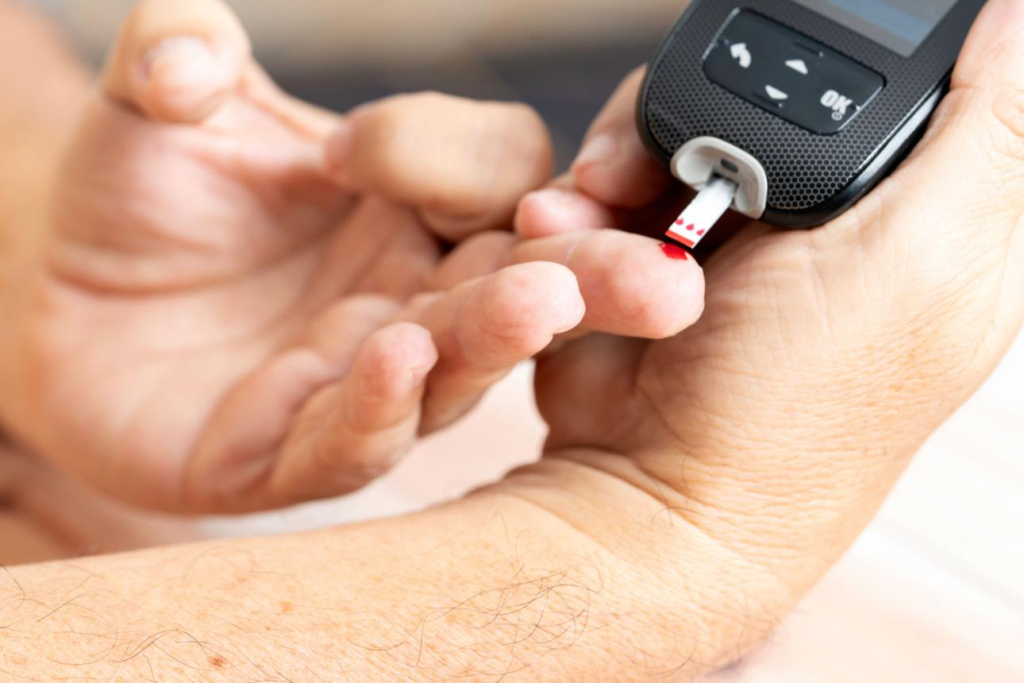
Monitor Blood Sugar
Routine glucose monitoring helps evaluate treatment effectiveness and guides future adjustments.
Maintain a Healthy Weight
Even modest weight loss may improve insulin resistance and support better metabolic control.
Possible Side Effects
Like many diabetes medications, lobeglitazone may cause side effects in some individuals.
Possible reactions include:
- Weight gain
- Fluid retention
- Swelling of the ankles
- Mild headache
- Muscle discomfort
Patients with heart disease or other chronic medical conditions should discuss treatment suitability with their healthcare provider before starting therapy.
Long-Term Diabetes Care
Managing type 2 diabetes is an ongoing process that requires regular medical follow-up.
Healthcare providers may periodically evaluate:
- HbA1c levels
- Blood glucose
- Liver function
- Kidney function
- Blood pressure
- Cholesterol levels
Regular monitoring helps reduce the risk of long-term diabetes complications and supports healthier outcomes.
Finding Quality Treatment Options
Obtaining prescription medications from trusted suppliers helps ensure quality and consistency.
Patients interested in learning more about LOBG (Lobeglitazone Tablets) can review detailed product information, available strengths, and usage recommendations before discussing treatment options with their healthcare provider.
Final Thoughts
Type 2 diabetes requires a comprehensive approach that goes beyond simply lowering blood sugar. Improving insulin sensitivity, maintaining healthy lifestyle habits, and following a personalized treatment plan are all essential for long-term success.
Lobeglitazone represents a modern insulin-sensitizing therapy that may help appropriate patients achieve better glycemic control when used under professional medical supervision. Combined with balanced nutrition, regular physical activity, and ongoing monitoring, it can play an important role in comprehensive diabetes management.