





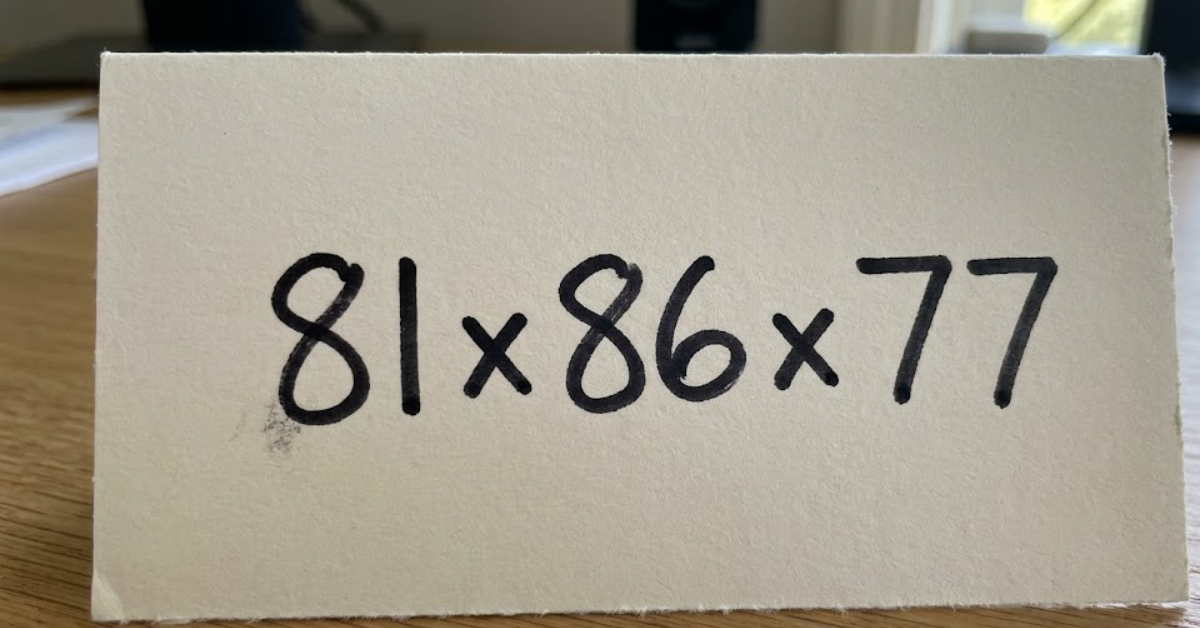

At first glance, 81x86x77 might look like a random string of numbers—but it’s more meaningful than you think. Whether you’ve seen it in product specs, technical data, or software contexts, understanding 81x86x77 can help you make smarter decisions and avoid confusion.
In this guide, we’ll break down what 81x86x77 means, where it’s commonly used, and how to interpret it correctly in real-world situations.
What Does 81x86x77 Mean?
The term 81x86x77 is typically a numerical format representing dimensions, measurements, or coded values. It follows a pattern where three numbers are separated by “x,” often indicating:
- Length × Width × Height
- Size × Capacity × Depth
- Or structured data values in technical systems
In simple terms, 81x86x77 usually describes three related measurements or parameters.
Common Uses of 81x86x77
1. Product Dimensions
One of the most common uses of 81x86x77 is in product sizing.
For example:
- Furniture measurements
- Storage boxes
- Electronic device dimensions
Example:
- 81 cm (length)
- 86 cm (width)
- 77 cm (height)
2. Technical Specifications
In tech environments, 81x86x77 may represent structured data such as:
- Screen resolution segments
- Hardware configuration values
- System parameters
3. Packaging and Shipping
Logistics companies often use formats like 81x86x77 to define package size.
This helps:
- Calculate shipping costs
- Determine storage space
- Optimize delivery routes
4. Industrial and Engineering Contexts
In engineering, 81x86x77 might refer to:
- Machine part dimensions
- Component sizing
- Blueprint measurements
How to Interpret 81x86x77 Correctly
Understanding 81x86x77 depends on context. Here’s how to read it accurately:
Step-by-Step Interpretation:
- Check the unit (cm, inches, mm, etc.)
- Identify the order (usually L × W × H)
- Look at the context (product, software, or system)
- Confirm with documentation if available
Why 81x86x77 Matters
You might wonder—why pay attention to something like 81x86x77?
Because misinterpreting it can lead to:
- Buying the wrong-sized product
- Installation issues
- Technical errors in systems
On the flip side, understanding it helps you:
- Make better purchasing decisions
- Avoid costly mistakes
- Communicate clearly in technical discussions
Real-World Examples of 81x86x77
Here are a few scenarios where 81x86x77 might appear:
- Online shopping: Product dimensions listed as 81x86x77
- Warehouse inventory: Box size labeling
- Software logs: Encoded system values
- Construction plans: Structural measurements
Tips for Using 81x86x77 Effectively
To avoid confusion, keep these tips in mind:
- Always confirm measurement units
- Don’t assume order—verify it
- Use a measuring tool if needed
- Cross-check with product descriptions
FAQs
What does 81x86x77 stand for?
It usually represents three measurements, often length, width, and height.
Is 81x 86x 77 always in centimeters?
No, it can be in any unit—centimeters, inches, or millimeters depending on context.
Where is 81x 86x 77 commonly used?
It’s used in product dimensions, shipping, engineering, and technical specifications.
Can 81x 86x 77 be used in software?
Yes, sometimes it appears as structured data or configuration values in technical systems.
How do I know the correct order of 81x 86x 77?
Check the product details or documentation. Most commonly, it follows L × W × H format.
Conclusion
While 81x86x77 may seem like a simple number string, it carries important meaning across different fields—from product sizing to technical specifications. Understanding how to read and interpret it correctly can save you time, money, and frustration.
Next time you come across 81x 86x 77, you’ll know exactly what to look for and how to use it. If you’re dealing with similar codes or measurements, consider bookmarking this guide or exploring related resources to deepen your understanding.